
Water Leak Detection in Harrisburg, PA
A damp wall with no visible source, a water bill that keeps rising, or a stain that returns after painting all point to the same question: where is the water coming from? Guessing means cutting open walls that did not need it. Harrisburg Restoration Pro uses moisture meters, thermal imaging, and other non-invasive tools to trace leaks in Harrisburg houses, rowhouses, apartments, and commercial buildings, so repairs start in the right spot.
When we find the source, a licensed plumber or roofer usually makes the repair. We handle the drying and the damage.
- 24/7 Emergency Calls
- Free Estimates
- Licensed and Insured
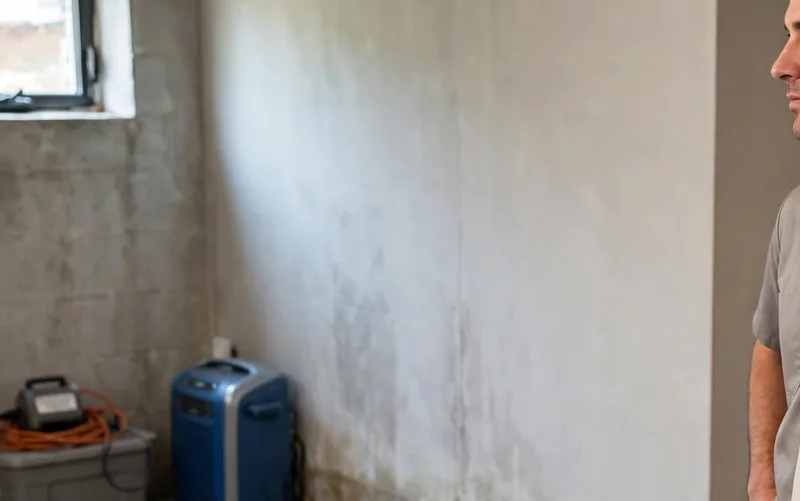
Signs of a Hidden Leak
- A utility bill that creeps up though nobody is using more water
- A faint hiss or trickle in the walls while every tap is shut
- A water meter that keeps moving when taps are closed
- Damp patches, bubbling paint, or peeling wallpaper
- Musty smells in a room, basement, or cabinet
- Warm spots on a floor
- Stains that keep reappearing on a ceiling or wall
Where Hidden Leaks Come From
Supply Lines Behind Walls
Small pinhole leaks in pressurized pipes can keep a cavity damp for a long time.
Drain and Waste Lines
Slow leaks at joints under floors and in walls create odors and stains.
Slab and Underfloor Lines
Pipes under concrete or in crawl spaces can leak without anything showing above.
Appliance Connections
Dishwashers, washers, ice makers, and water heaters all have hoses that can fail.
Roof and Window Leaks
Water entering from the outside can travel far from where it starts.
Water Leak Detection Near You in Mechanicsburg, PA 17050 and Harrisburg
We serve Mechanicsburg, ZIP code 17050, and nearby communities across Cumberland County, as well as Harrisburg and our wider service area. If you suspect a hidden leak at a Mechanicsburg property, or in Harrisburg ZIP codes such as 17102, 17109, and 17110, send us the address and what you have noticed.
How We Find the Source
Interview and History
We ask when the signs began, where the water shows up, and whether the bill or the meter changed.
Moisture Mapping
Meters measure moisture in walls, floors, and ceilings and show where it is highest.
Thermal Imaging
An infrared camera reveals temperature differences that can point to wet materials. It is a screening tool, so we confirm with meters.
Acoustic and Other Tools
Where it fits, listening devices and other tools help pinpoint a pressurized leak.
Report and Plan
We explain what we found, how confident we are, and what comes next.
Why Detection First Helps
Less Demolition
When you know where the water is, you open one small spot and not several.
Faster Repairs
The plumber knows where to go, which shortens the repair visit.
Drying Where It Counts
Drying equipment goes where the moisture actually is, and the work is tracked with readings.
A Clear Record
Notes and photos help your insurer and contractor understand the loss.
Before You Call
- Check your water meter with all fixtures off. Moving dials suggest a leak.
- Look under sinks and around appliances for drips.
- Note which rooms smell musty or feel damp.
- Photograph stains and track whether they grow.
- Keep recent water bills handy.
What Happens When We Find It
If the leak is active, a plumber repairs it. If water has already damaged the building, our structural drying and dehumidification service dries it, and a burst pipe response applies if a line has let go.